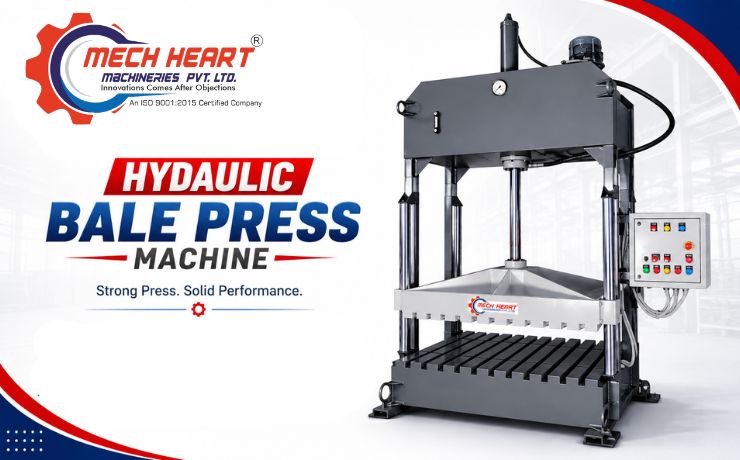
Hydaulic Bale Press Machine
Discover robust hydraulic bale press machines for efficient waste compaction in Ahmedabad. Optimize storage, reduce costs, and manage industrial waste effective
Why This Matters in Ahmedabad
Ahmedabad stands as a prominent industrial hub in Gujarat, characterized by a diverse manufacturing landscape that includes textiles, chemicals, pharmaceuticals, engineering, and packaging. The rapid industrial growth and urban development in areas like GIDC Vatva necessitate advanced waste management strategies. Businesses here face increasing pressure to comply with environmental regulations and maximize space utilization. Implementing efficient waste compaction solutions, such as a hydraulic bale press machine, directly addresses these local challenges by reducing landfill volume and facilitating recycling efforts across various sectors.
What Is a Hydraulic Bale Press Machine — Overview
A hydraulic bale press machine is an industrial apparatus designed to compress loose waste materials into compact, uniform bales. It operates on the principle of hydraulic power, where fluid pressure is used to generate immense force, pushing a ram against the material within a chamber. This process significantly reduces the material's original volume, transforming bulky waste into dense, stackable blocks. These machines are essential for industries dealing with large quantities of recyclable or disposable waste, enabling easier handling, storage, and cost-effective transportation to recycling facilities or disposal sites.
Key Features and Technical Specifications
- Robust Hydraulic System: Engineered with high-pressure cylinders and pumps for consistent, powerful compaction.
- Heavy-Duty Construction: Fabricated from high-grade steel to withstand continuous industrial operation and high loads.
- Integrated Safety Mechanisms: Features emergency stop buttons, interlocks, and pressure relief valves for operator protection.
- User-Friendly Control Panel: Intuitive interface for easy operation, monitoring, and adjustment of baling parameters.
- Efficient Bale Ejection System: Designed for smooth and rapid removal of compacted bales, often semi-automatic or automatic.
- Customizable Bale Dimensions: Adjustable settings to produce bales of varying sizes and densities to suit specific logistics.
- Energy-Efficient Motor: Optimized power consumption to reduce operational costs without compromising performance.
- Low Noise Operation: Engineered for quieter performance, contributing to a better working environment.
Industrial Applications and Use Cases
- Recycling Facilities: Compacting paper, cardboard, PET bottles, plastic films, and aluminum cans for efficient processing.
- Textile Manufacturing: Baling fabric scraps, yarn waste, and discarded garments to reduce volume and facilitate recycling.
- Packaging Industries: Compressing corrugated boxes, plastic packaging, and strapping materials from production lines.
- Warehousing and Logistics: Managing discarded pallets, stretch wrap, and other shipping materials to free up storage space.
- Agricultural Sector: Baling hay, straw, and other crop residues for easier storage and transport.
- Retail and Commercial Establishments: Handling cardboard, plastic films, and general waste to streamline disposal.
- Automotive Industry: Compacting plastic bumpers, interior trim scraps, and other non-metallic waste.
- FIBC/Jumbo Bag Waste: Specifically designed models for compressing large industrial bags used in bulk material handling.
How to Choose the Right Hydraulic Bale Press Machine
Selecting the appropriate hydraulic bale press machine requires careful consideration of several operational factors. The right choice ensures maximum efficiency and long-term reliability for your waste management needs. Evaluating these aspects before procurement helps align the machine's capabilities with your specific industrial requirements.
- Material Type and Volume: Assess the specific types of waste materials (e.g., paper, plastic, textiles, metal scraps) and the daily volume to be processed. This determines the required compaction force and chamber size.
- Bale Size and Density Requirements: Define the desired dimensions and density of the final bales, considering storage space, transportation logistics, and buyer specifications for recyclable materials.
- Operational Mode: Decide between manual, semi-automatic, or fully automatic operation based on labor availability, desired throughput, and budget.
- Power Source and Efficiency: Verify the available power supply at your facility and choose a machine with an energy-efficient motor to minimize running costs.
- Safety Features: Prioritize machines equipped with comprehensive safety interlocks, emergency stops, and guarding to protect operators.
- Supplier Reputation and Support: Choose a manufacturer with a proven track record, offering reliable after-sales service, spare parts availability, and technical assistance.
- Certifications and Compliance: Ensure the machine complies with relevant industrial safety standards and quality certifications, providing assurance of its construction and operation.
- Customization Options: Inquire about the possibility of customizing features like loading mechanisms, bale tying systems, or specific material handling accessories to suit unique workflows.
Quality Standards and Compliance
Adherence to established quality standards and compliance regulations is paramount for any industrial machinery, especially for equipment like a hydraulic bale press machine. Buyers should verify that the equipment meets relevant national and international standards, such as ISO 9001 for quality management systems in manufacturing. Specific safety standards, like those outlined by BIS (Bureau of Indian Standards) or international equivalents, ensure the machine's operational integrity and operator safety. Confirming these certifications with a supplier provides assurance regarding the machine's design, manufacturing process, and overall reliability, contributing to a safer and more efficient operational environment.
Why Company Experience and Capability Matters
The long-term performance and reliability of a hydraulic bale press machine are directly linked to the experience and capability of its manufacturer. A company like Mech Heart Machines Pvt. Ltd. brings a depth of understanding in innovative engineering and robust manufacturing processes. Their technical team's expertise ensures that each machine is designed for durable performance, capable of handling demanding industrial environments. This includes meticulous quality control throughout the production cycle, from material selection to final assembly, ensuring consistent operational integrity.
Furthermore, a capable manufacturer offers critical support beyond the initial sale. This encompasses the ability to customize machines for specific industrial requirements, ensuring the equipment integrates seamlessly into existing workflows. Reliable delivery schedules and comprehensive after-sales support, including maintenance and spare parts, are crucial for minimizing downtime and maximizing productivity. Choosing a partner with a strong focus on customer-centric manufacturing solutions means investing in a machine that is backed by ongoing technical assistance and a commitment to operational excellence.
Installation, Maintenance and Care Tips
Proper installation and regular maintenance are crucial for maximizing the lifespan and efficiency of a hydraulic bale press machine. Following these guidelines helps ensure safe operation and consistent performance.
- Professional Installation: Always engage qualified technicians for installation. Ensure the machine is placed on a level, stable concrete foundation capable of supporting its weight and operational forces. Proper electrical connections and hydraulic fluid filling are critical.
- Regular Hydraulic Fluid Checks: Monitor hydraulic fluid levels and quality regularly. Contaminated or low fluid can lead to reduced efficiency and component wear. Follow manufacturer recommendations for fluid type and replacement intervals.
- Lubrication Schedule: Adhere to the lubrication schedule for all moving parts, including hinges, pins, and ram guides. Proper lubrication reduces friction and prevents premature wear.
- Chamber Cleaning: Regularly clean the compaction chamber to prevent material buildup, which can impede operation and affect bale quality. Remove any debris or foreign objects that could damage the ram or chamber walls.
- Safety System Verification: Periodically test all safety interlocks, emergency stop buttons, and guarding mechanisms to ensure they are fully functional. This is vital for operator safety.
- Operator Training: Ensure all personnel operating the machine are thoroughly trained on its functions, safety protocols, and basic troubleshooting.
- Component Inspection: Conduct routine visual inspections of hoses, seals, electrical wiring, and structural components for any signs of wear, leaks, or damage. Address any issues promptly to prevent larger failures.
Frequently Asked Questions
A hydraulic bale press machine is versatile and can process a wide array of waste materials. This includes various types of paper and cardboard, plastic films, PET bottles, textile scraps, aluminum cans, and even certain light metal shavings. The specific materials a machine can handle depend on its design, compaction force, and chamber configuration, making it suitable for diverse industrial waste streams.
The machine uses a powerful hydraulic ram to exert immense pressure on loose waste materials within a confined chamber. This force compresses the material, expelling air and moisture, and significantly reducing its original volume. The result is a dense, compact bale that occupies considerably less space, making storage and transportation much more efficient and cost-effective.
Operating a hydraulic bale press requires strict adherence to safety protocols. Key considerations include ensuring all safety guards and interlocks are in place and functional, never reaching into the compaction chamber during operation, and using emergency stop buttons when necessary. Proper operator training, clear warning labels, and regular machine inspections are also essential to prevent accidents and ensure a safe working environment.
The maintenance frequency for a hydraulic bale press machine depends on its usage intensity and the manufacturer's recommendations. Generally, daily visual checks, weekly lubrication, and monthly inspections of hydraulic fluid, hoses, and electrical components are advisable. Annual professional servicing is crucial for comprehensive checks, component replacement, and ensuring the machine operates at peak efficiency and safety.
Many manufacturers offer customization options for hydraulic bale press machines to meet unique industrial requirements. This can include adjusting bale dimensions, modifying loading mechanisms for specific material types, integrating with existing conveyor systems, or tailoring power specifications. Discussing specific operational needs with the manufacturer allows for a tailored solution that optimizes waste management workflows.
For businesses in Ahmedabad, baling waste offers several significant advantages. It dramatically reduces the volume of waste, freeing up valuable storage space and lowering transportation costs. Baled materials are easier to handle and often fetch better prices from recyclers. This efficiency supports compliance with local environmental regulations and contributes to a cleaner, more organized industrial facility, enhancing overall operational sustainability.
Conclusion
Efficient waste management is no longer just an operational necessity; it is a strategic imperative for industries across Ahmedabad. A hydraulic bale press machine provides a robust and effective solution for compacting diverse waste streams, directly addressing challenges related to space, logistics, and environmental compliance. By understanding the machine's capabilities, considering key selection factors, and partnering with an experienced manufacturer, businesses can transform their waste handling processes. Investing in a reliable bale press ensures not only operational efficiency but also contributes to a more sustainable and cost-effective industrial future.
Get In Touch
Mech Heart Machines Pvt. Ltd.